Ah ah ah!
The Archives haven't even STARTED!
You're not supposed to be here for another few months buddy!
The Monarch Archives welcomes you to...
Bonjour, Bee!
The 1950s puppet show!
1957-1959
Welcome to the colorful, buzzing world of Bonjour, Bee! A 1957 cartoon created by the talented eye of civil rights activist, Stanford Cordell Francis! A man who aimed to entertain, educate and inform black youth and ignorant avoidant eyes to the civil rights movement! A man who solidified himself into black history as we know it, but not for the popularity. But rather the love and care he had for his black brothers and sisters across America!After the show went off-air, it had lied dormant for over half a century. All media lost. UNTIL 2025 thanks to a puppet loving group reviving the discussion about the colorful cast! We have spent countless time reviewing, watching and experiencing what Bonjour, Bee! had to offer and now we, The Monarch Archives, here here to share it with you!
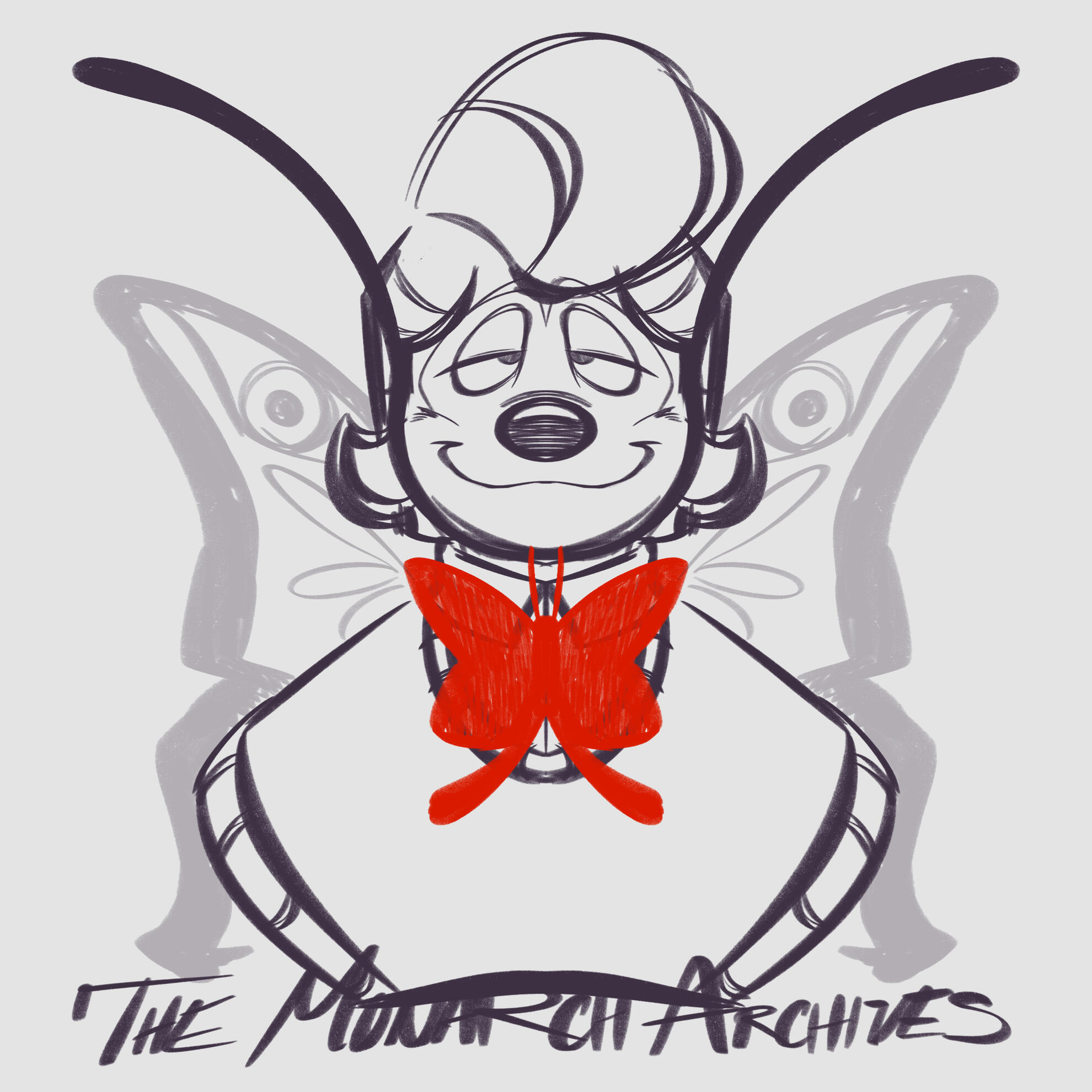
THE ARCHIVES!
Welcome to the Archives! The spot where we organized everything for your viewing pleasure! From Sketches to the Radio! Concepts to Episodes!

How had Stanford come to be? Worry not, we have the answers for you! Join us in Stanford's timeline!

Not everyone had television, good thing newspapers were an easy, cheap grab! Go on...take a peek!
Curiosity makes creation you know, learn about where Bonjour, Bee! all started! Take a gander at the history all the way back from 1929!

With one radio, it reached the ears of many! Follow along the stories with the 24/7 recreation of WBEE 570 AM!


Bonjour Bee wasn't the most POLISHED media, however with enough love, it reached the hearts of thousands!

We...don't know where to put this stuff...!
UH OH!
You're not supposed to be here!
You're not supposed to be here! We haven't finished this part of the archives yet!
Worry not, we'll help you get back on track!
ABOUT STANFORD!
Take a deep dive into the life of Bonjour Bee’s founder and creator! From the jazzy lands of New Orleans to the heart of the movement in Montgomery!
1929 - May Elizabeth Francis
New Orleans was all Stanford knew throughout the heart of the Great Depression. Dense black communities were a grand way to stay close to his roots, but unfortunately this meant for easy targets. Stanford and his parents: Cornelius Jean Francis and May Elizabeth Francis, were only a small percentage of the black citizens under intense scrutiny and pressure due to the Jim Crow laws in place.The Francis family lived in intense poverty around Stanford's birth, Cornelius being laid off wasn't a shock to them but it had made raising young extremely difficult. To their suprise however, May had just gotten by with keeping her job. It didn't come with her original pay however as intense cuts were made to her earnings. But they managed with New Orleans' sense of community and assisting one another in surviving this intense hump. Starting black businesses, creating and owning their own homes in order to battle the systematic exclusion of black citizens.With each setback local white neighbors and law enforcers pushed onto the community, they only got louder and tried to push back. Numerous arrests, beatings and even public lynching being celebrated only silenced a small percentage of the activists however and May was not one of them. She was loud. She talked back. The made threats of her own without even knowing if she could go through with them.It was a risk, a risk even Stanford became old enough to acknowledge and support. Even in his own silence. Unfortunately, activism was only met with harsher oppression. During a large scale massacre, May was caught in crossfire and publicly executed by law enforcement.Leaving Stanford without a mother.

1950 - Maggie Monterey Francis

1939 -Cornelius Jean Francis
Despite Stanford's desperate wishes to be loud and active about civil rights due to the death of his mother, Cornelius made sure he was silent. Not because he didn't want his son to be proud of his heritage, not because he didn't want justice for May. But because he wanted a son who was still alive.
Fortunately for Stanford and Cornelius, they were granted the blessing of living long enough to see the end of The Great Depression.Despite the continuous waves of discrimination, the black community of New Orleans continued to thrive and recruit people of their own in order to have a safer space to call home. Black businesses popped up around every corner and block, including Cornelius' own! He made quite the living as one of the most skilled carpenters of New Orleans.
But a good business needed a logo, a memorable mascot!Thus, Francis Bee-A-Carpenter was born! A toon style pill shaped Bee with a charming smile! It was recognizable no matter how far you were from him!Stanford's skilled hands the hardworking bee to draw attention to not only his father's business, but also his own skills as a young artist! Seeing the artistic skill within the community despite the hardships and pushbacks allowed Stanford to make commission of his own! Black and (while very few) White owned businesses hired Stanford to make logos and mascots for themselves! And just because he had downtime didn't mean he wasn't improving his skills!However, Stanford wasn't exactly anonymous. He had been one of the most common targets of violence. Threatened, beat on the street and nearly having his home set ablaze.His home wasn't safe anymore.Cornelius had to make the executive decision to relocate Stanford around the peak of this violence in 1950. While it proved to be helpful for the young man, it unfortunately led to the demise of his father.